We’re here if you have any questions
Contact Us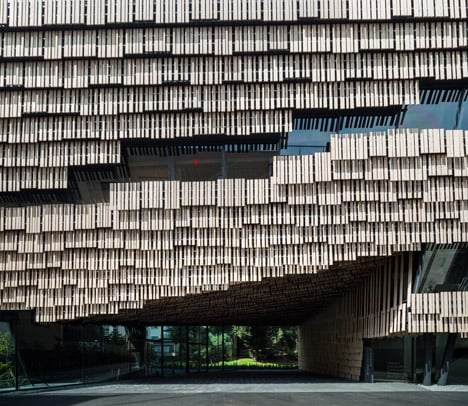
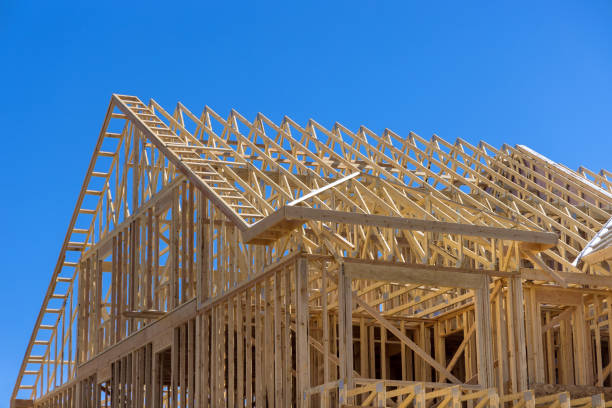
Wood is one of humanity’s oldest building materials. But today, as climate awareness increases, it’s experiencing a renaissance in an era seeking sustainability, adaptability, and warmth. Across residential, institutional, and research architecture, timber offers unique advantages and confronts real constraints.
Let’s take a deep dive into the benefits and drawbacks of timber, explored through three selected projects where wood takes center stage:
Explore how these projects highlight timber’s strengths and where it can pose challenges to sustainable modern design.
Why Timber Remains a Powerful Material Today
Before analyzing the case studies, it’s important to understand why timber is resurging:
1. Sustainability & Carbon Storage
Timber captures and stores CO₂. According to Ecohome, the embodied carbon of steel and concrete is 26–31% higher than that of wood. Sustainably sourced timber can significantly lower life-cycle emissions on construction projects..
2. Prefabrication & Speed
Mass timber systems like CLT can be manufactured off-site and assembled quickly, reducing labour time and overall schedules. Prefab accuracy reduces onsite waste and errors.
3. Thermal & Acoustical Comfort
Wood’s natural insulating properties enable energy-efficient building envelopes. High levels of airtightness are more easily achieved compared to concrete systems.
4. Aesthetic Versatility & Biophilia
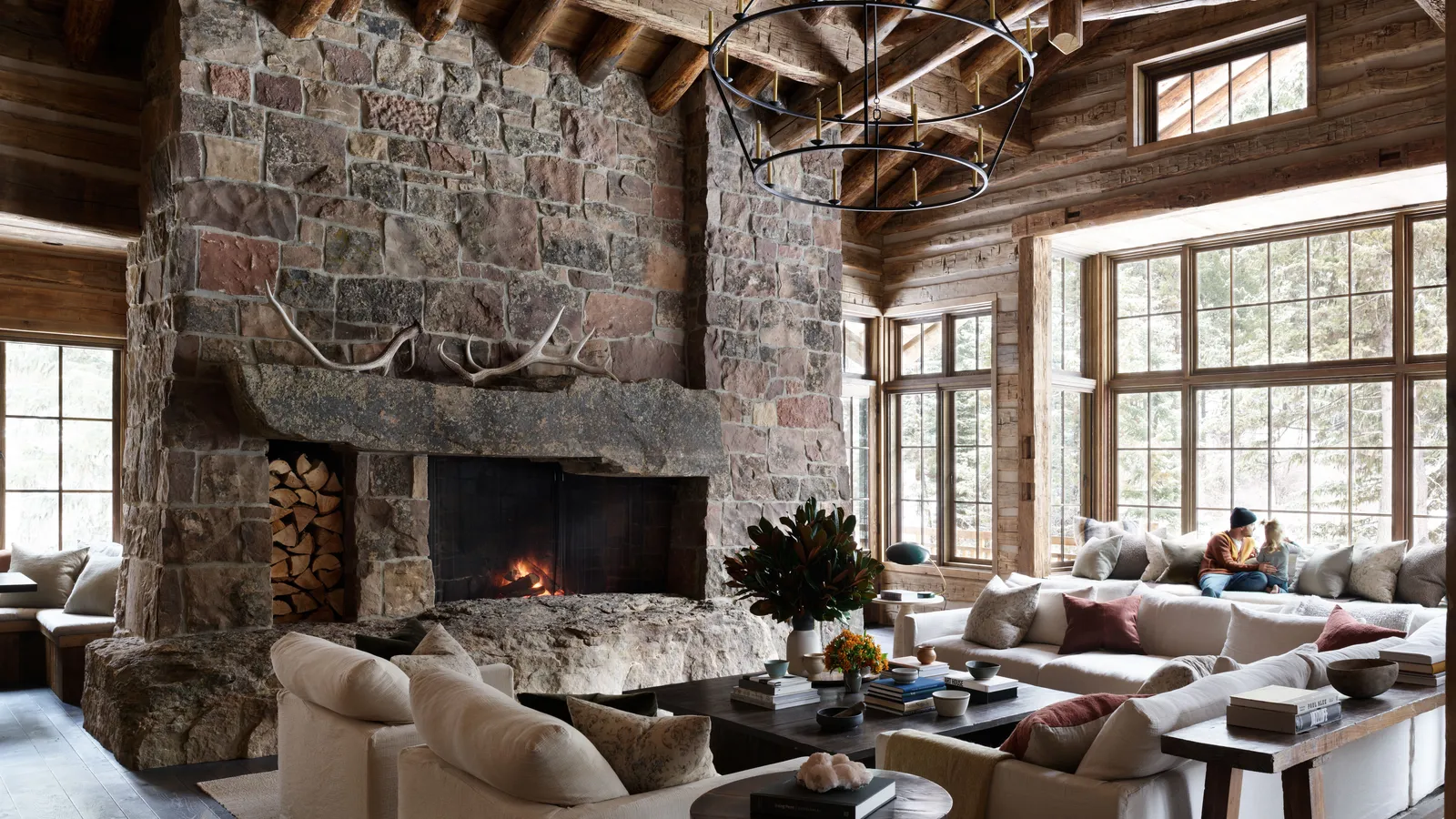
Wood often evokes warmth, sensory richness, and connects occupants with natural environments. It can suit a range of architectural styles from minimalist to expressive.

Five Fields Play Structure
Located in Lexington, this dynamic wooden play sculpture was designed by Matter Design + FR|SCH. It is a sculptural structure of sloped timber planes and platforms that invite climbing, crawling, and creative exploration. Highlights include:
The use of timber allowed for small-batch fabrication and site-specific adaptation. Working with the grain and geometry meant integrating wood's natural shrinkage and strength properties like knot impacts. However, higher exposure to weather may accelerate wear, suggesting regular inspection and sealing in addition to careful upkeep for safety considerations (e.g., splinters, structural longevity).

Grace Farms
Designed by SANAA, Grace Farms sits on 80 acres near New Canaan, Connecticut. Celebrated for its signature timber roof structure, the building merges wood and glass to blur lines between interior and exterior. Highlights include:
By using timber, the structure evokes a sense of warmth that invites communal gathering under organic form. By using timber mass, heating/cooling energy needs are reduced. Additionally, prefabrication minimized onsite disturbance. However, long-glulam beams require careful shipping and handling. It’s also worth noting that there are high initial costs due to engineered wood systems and specialized detailing.

Daiwa Ubiquitous Computing Research Building (D-UBC)
Located at Kyoto University and designed by Kengo Kuma and Associates, the Daiwa UBC building combines modern research needs with traditional timber methods. Key points of the building include structural frames combining wood with steel connectors, exposed beams and columns, and natural lighting. Material benefits include:
It should be noted that retrofitting or modification requires specialist knowledge and that ensuring seismic safety in Japan requires engineered solutions tied to wood's behavior. This building demonstrates that timber can meet advanced technical and environmental demands in research environments.
Pros and Cons of Timber
Benefits include:
Drawbacks include:
Broader Industry Trends
Timber is gaining traction across sectors.
For commercial mid-rise, more projects exceed 4 stories with CLT and glulam as the Urban Land Institute notes over 700 projects in design or built already In many jurisdictions, building codes now allow timber in taller structures due to engineered fire resistance and seismic performance.
Mass timber often qualifies for carbon credits and ESG-driven development, and digital fabrication and BIM integration streamline mass timber workflows globally.
Lessons for Builders, Designers & Clients
These case studies offer a roadmap for successful timber projects:
1. Early Collaboration
Include structural, acoustic, and fire engineers from day one.
2. Prefabrication
Use off-site prefabrication for consistency and reduced waste.
3. Moisture & Fire Design
Apply vapor barriers, coatings, intumescent paints, and schedule maintenance.
4. Aesthetic Integration
Let wood’s natural beauty contribute to design character and occupant well-being.
5. Lifecycle Planning
Document maintenance, repair cycles, and adaptability from the start.
Suggested Vendors
Venzer hosts a variety of wood vendors! For your next project we suggest you check out:
El Wood Products - https://venzer.com/vendors/67eeec7b8b7c3c54ff184330/
Loewen VTNH - https://venzer.com/vendors/64c0d065a132bfb5c9d20e33/
Duratherm Windows - https://venzer.com/vendors/64c0d064a132bfb5c9d20d83/
Conclusion
From child-centered play structures to soaring institutional canopies and hi-tech research labs, timber remains a versatile, climate-smart, and human-friendly structural material. It combines beauty and performance, sustainability and emotion. But also demands skill, planning, and respect for its natural behavior.
Ultimately, wood’s renaissance comes with environmental responsibility. But, when used intelligently, it can play a defining role in creating sustainable and inspiring environments. The future of timber is bright if designers continue to approach its design and technical challenges.
Works Cited
Five Fields Play Structure, Matter Design + FR|SCH. ArchDaily.
https://www.archdaily.com/806182/five-fields-play-structure-matter-design-plus-fr-sch
Advantages & Disadvantages of Timber Frame Construction, Pinewood Structures.
pinewood-structures.co.uk
Ecohome: Wood-frame carbon footprint analysis.
ecohome.net
Mass Timber construction benefits,.
constructiontoday.co.uk
Timber construction methods overview, Pfleiderer.
Timber fire & moisture issues, ConstructionToday.
Knot effect on tensile strength, Fan et al., ArXiv.
https://arxiv.org/abs/2201.03464
ULI on mass timber growth. https://urbanland.uli.org/economy-markets-trends/mass-timbers-expanding-presence-in-the-commercial-building-industry





















Stay in the loop with platform updates, success stories, and industry news.