We’re here if you have any questions
Contact Us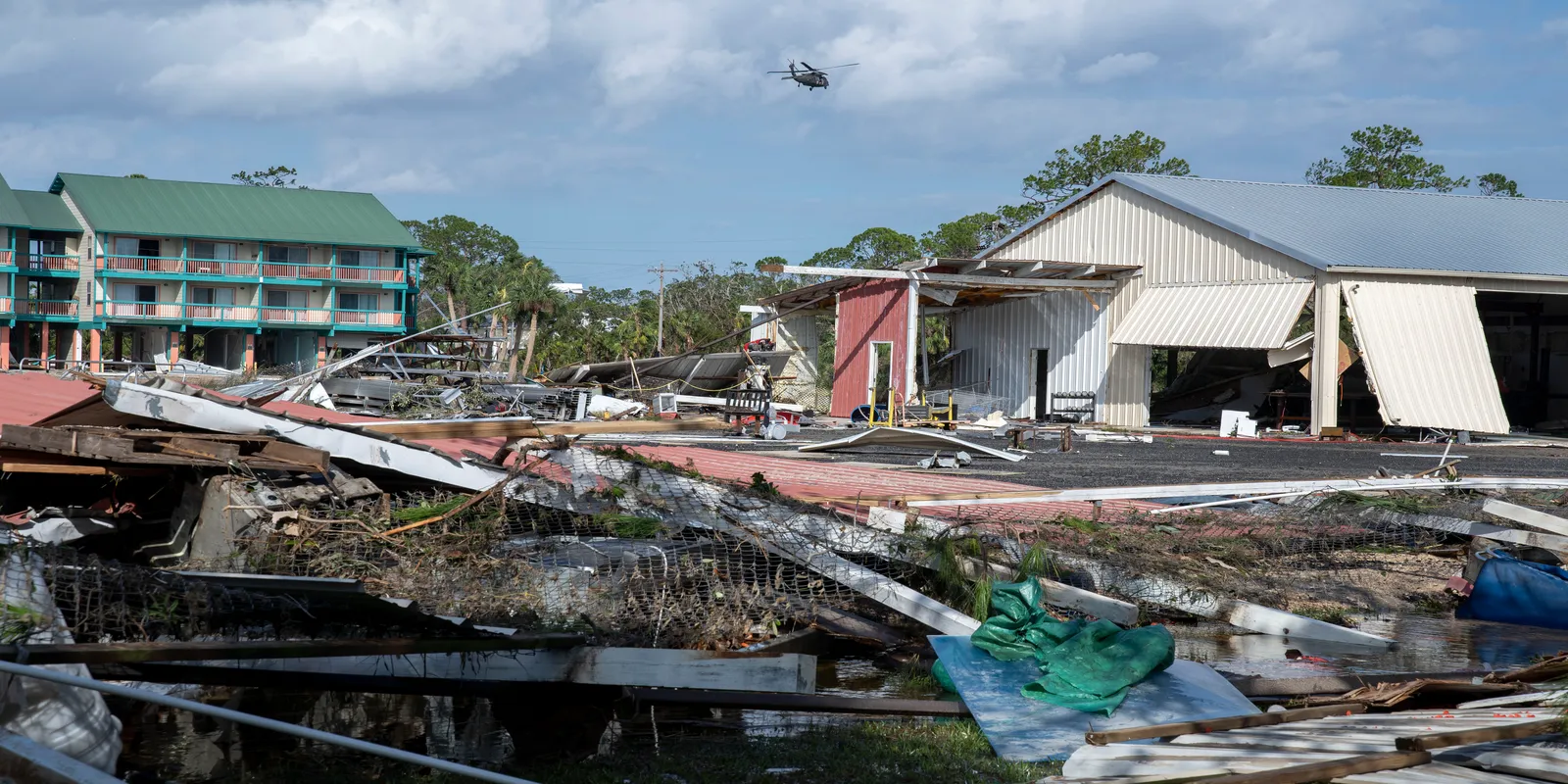
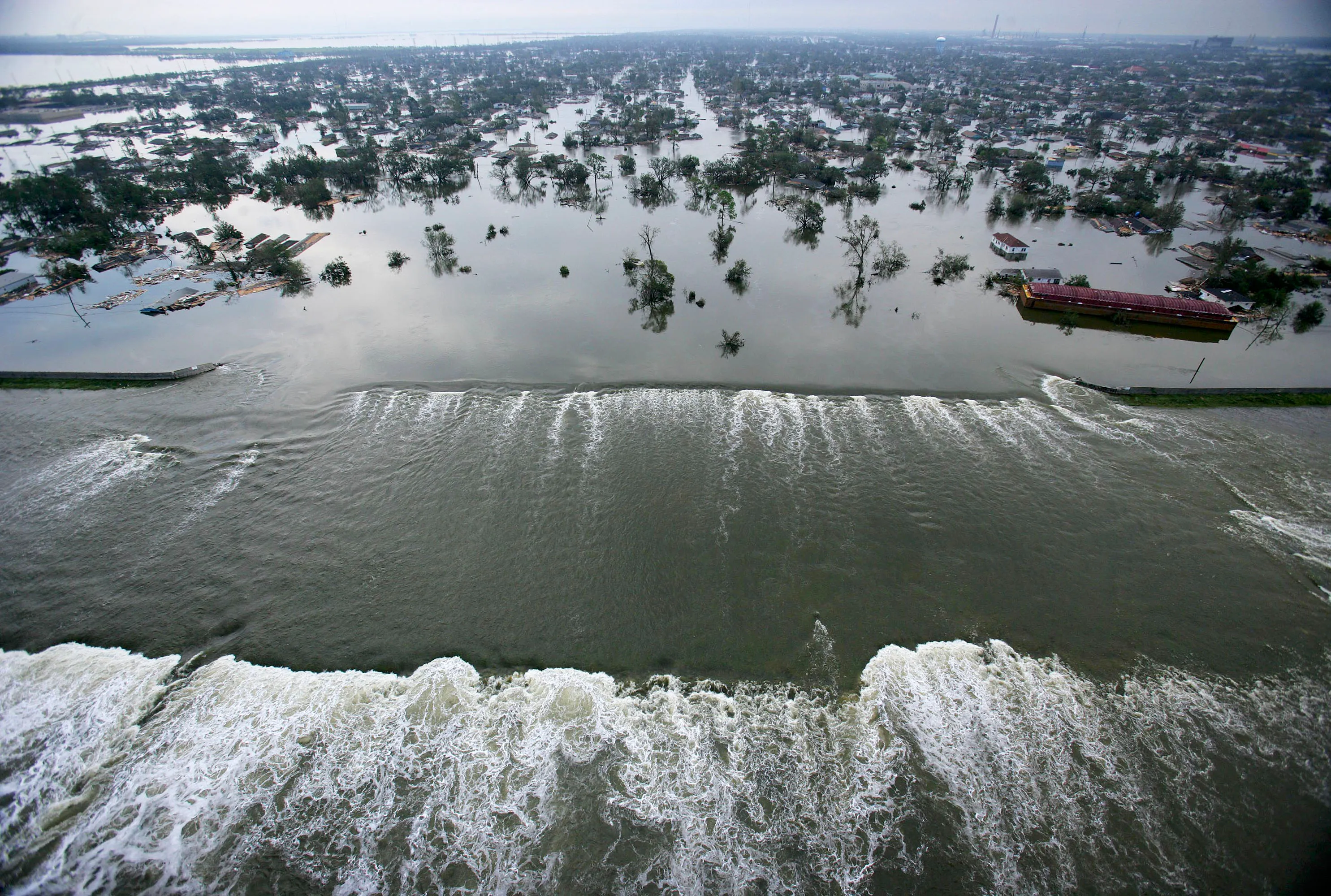
Florida is one of the most hurricane-prone states in the U.S., with its warm waters and flat coastal terrain making it a frequent target during storm season. Hurricanes Andrew, Katrina, Michael, and most recently Ian have caused widespread destruction across the state, exposing major weaknesses in how homes, especially older ones, were built. However, research and real-world examples show that hurricane damage can be significantly reduced by using the right building materials and smart construction practices.
Whether you're constructing a new home or retrofitting an existing one, investing in hurricane-resistant materials is a necessity.
Why Building Materials Matter in Florida's Hurricane Zones
Florida homes face unique challenges from hurricane-force winds, storm surge, and flying debris. Standard materials and outdated construction methods are unable to keep up with the increasing frequency and intensity of modern storms. During a hurricane, sustained winds can exceed 150 mph. These winds create enormous pressure on a building’s roof, walls, windows, and doors. If one weak point fails, it can lead to catastrophic damage from internal pressurization and water intrusion.
Hence why materials and construction techniques are the first line of defense.
Weak vs. Strong: What Studies Show About Hurricane Damage
A 2020 study titled “Hurricane Risk Analysis of Residential Structures in Florida” analyzed how different building designs and materials affect storm resilience, comparing two types of typical one-story wood-frame homes.
Weak House: Built before the 1992 Hurricane Andrew code reforms, these structures use outdated materials like toe-nailed roof connections and unreinforced walls.
Strong House: Built under Florida’s modern building code, with enhanced roof-to-wall connections, reinforced sheathing, and impact-resistant features.
Key Findings:
The research clearly demonstrates that investing in better materials and building practices can drastically reduce both the severity and cost of hurricane damage.
Top Building Materials That Mitigate Hurricane Damage
1. Roof-to-Wall Connections
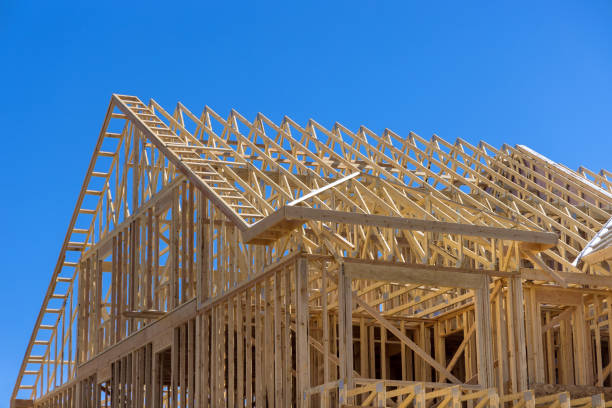
Roof uplift is one of the most catastrophic failures during a hurricane. Traditional toe-nailed roof connections can easily rip apart under pressure. Use hurricane straps or clips, such as metal tie-downs that connect the roof trusses directly to the wall framing. These are inexpensive and can reduce roof failure dramatically.
2. Impact-Resistant Windows and Doors
Flying debris during hurricanes can easily shatter regular windows and doors. This not only creates an entry point for wind and rain but can also lead to internal pressure buildup, which may blow off the roof. Install laminated, impact-resistant glass or protective storm shutters. These materials are tested to withstand debris impacts at high speeds and prevent pressure-related failure.
3. Reinforced Roof Sheathing
The roof sheathing (the layer beneath the shingles or tiles) is crucial for overall structural strength. Use thick plywood (minimum 5/8-inch), secured with ring-shank nails or adhesive foam systems. This adds stiffness and better holds roofing materials in place during high winds.
4. Elevated Foundations and Flood-Resistant Materials
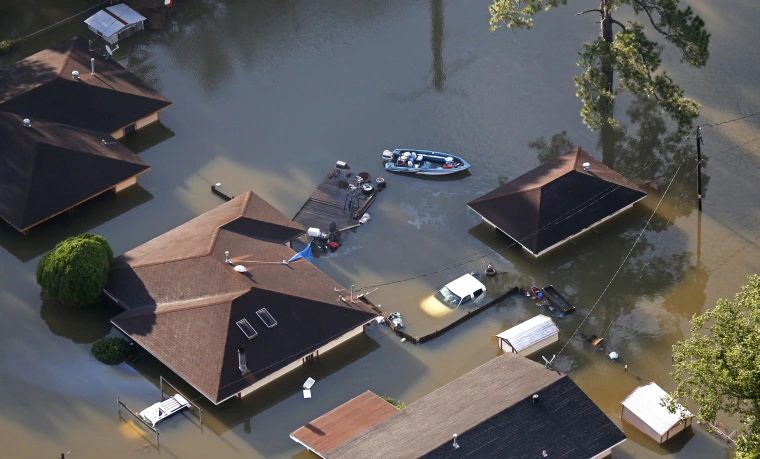
Flooding and storm surge often accompany hurricanes, especially along Florida’s coast. Build on elevated foundations such as piers or raised slabs, and use moisture-resistant materials like concrete block, pressure-treated wood, and closed-cell spray foam insulation.
5. Wind-Rated Garage Doors
Garage doors are large, flat surfaces that are highly vulnerable during wind events. If they fail, the rest of the home is quickly compromised. Install wind-rated or reinforced garage doors with bracing systems that can resist strong pressure differences.
Emphasis on Community Planning
While individual building materials make a huge difference, the layout and planning of entire communities also contribute to hurricane resilience. In the article “The Proof of the Planning Is in the Staying”, communities like Seaside, Florida, are highlighted as examples of success. These neighborhoods successes are due to design features including:
Homes in such planned areas generally performed better during major hurricanes, experiencing less damage and faster recovery times. Thus proving that resilience starts not just with the materials of the building, but with how and where communities are built.
The Cost of Not Building Smart
One of the most common objections to using hurricane-resistant materials is cost. Stronger materials and better construction techniques can increase the price of a home by 5–10%. But that cost is minimal compared to the potential savings after just one storm.
A weak house in South Florida could experience over $2 million in cumulative damages over its lifespan.
Retrofitting roof-to-wall connections can cost less than $2,000 and save tens of thousands in repairs.
Homes built after Hurricane Andrew under strict codes had a 60% lower claim rate during Hurricane Charley (2004) than older homes.
Retrofitting Existing Homes in Florida
If you live in an older home, it’s not too late to make upgrades. Here are smart retrofit ideas:
Grants and incentives are sometimes available from local governments or insurance companies to assist with these upgrades.
Mitigation Works: The Data Doesn’t Lie
The term “Exceedance Probability of Loss (EPL)” is used in hurricane modeling to describe how likely it is that a certain level of financial loss will occur in a year. According to Florida-wide studies:
Weak homes have a high EPL and are at far greater risk of expensive damage. Whereas, strong homes reduce EPL dramatically, lowering both damage and insurance costs.
The mitigation potential in Florida is massive. If all “weak” homes in high-risk areas were upgraded, the state and homeowners could avoid billions in property damage, reduce displacement, and speed up disaster recovery efforts.
Build for the Future
Hurricanes are inevitable in Florida, but catastrophic damage is not. The right building materials, including hurricane clips and impact glass, can make the difference between a total loss and a minor repair. Whether you’re a homeowner, contractor, or policymaker, embracing modern, hurricane-resistant practices is a wise and necessary choice.
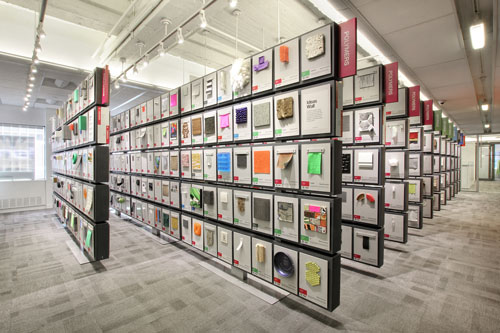
When it comes to sourcing quality building materials that meet Florida’s rigorous hurricane codes, Venzer is a powerful ally. As a modern digital marketplace designed for the construction industry, Venzer helps builders, contractors, and homeowners quickly find, compare, and purchase materials from trusted suppliers. Whether you're looking for impact-resistant windows, hurricane-rated fasteners, or wind-tested roofing components, Venzer’s platform connects you with vetted vendors and real-time pricing. Their intuitive tools streamline material selection and procurement, helping you build safer, faster, and smarter. For anyone focused on mitigating hurricane damage through better materials, Venzer provides a seamless way to make informed, code-compliant decisions that protect your investment and your property.
Sources
Kakareko, Grzegorz, Sungmoon Jung, and O. Arda Vanli. “Hurricane Risk Analysis of the Residential Structures Located in Florida.” Sustainable and Resilient Infrastructure 5, no. 6 (November 1, 2020): 395–409. doi:10.1080/23789689.2019.1632599.
Deyle, Robert E, Timothy S Chapin, and Earl J Baker. “The Proof of the Planning Is in the Platting: An Evaluation of Florida’s Hurricane Exposure Mitigation Planning Mandate.” Journal of the American Planning Association 74, no. 3 (2008): 349–70. https://doi.org/10.1080/01944360802229612.
The Houses That Hurricanes Built. Best’s Review (Property/Casualty Insurance Ed.). Property/casualty insurance edition. Vol. 100. Oldwick: A.M. Best Company, 1999.












Stay in the loop with platform updates, success stories, and industry news.