We’re here if you have any questions
Contact Us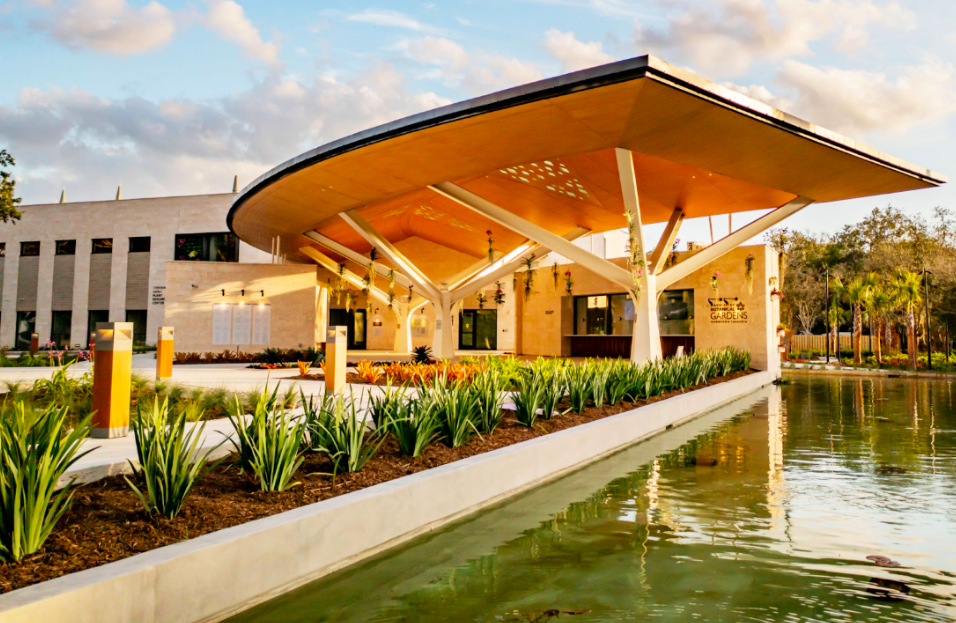
The Marie Selby Botanical Gardens in Sarasota, Florida has completed the “world’s first net-positive energy” botanical garden, led by architecture studios Olin, Overland, and Kimley Horn, The Marie Selby Botanical Gardens are a beloved female-founded garden, sitting on a cumulative 45 acres of spaces dedicated to the conservation, research, and display of rare plant species from rainforests, deserts, and native Florida ecosystems. With a strong focus on environmental sustainability, the Selby Gardens' master plan integrates renewable energy sources, green roofs, and water conservation systems to not only minimize their environmental impact but give more energy back to the grid than they consume. As sustainability becomes a top priority in construction, projects like the Marie Selby Botanical Gardens serve as a powerful example of combining nature and technology in innovative, sustainable ways.
Looking to support environmentally responsible construction? Find trusted eco-friendly suppliers and green building products on Venzer, your go-to platform for sourcing sustainable materials and services in Florida. Whether you're building a green home or upgrading a commercial property, Venzer connects you with vetted professionals who prioritize planet-friendly practices.
What Is A “Net-Positive Energy” Building?
A Net Positive-Energy building is the next evolution in sustainable architecture, going beyond traditional green building practices that merely aim to reduce environmental harm. Rather than simply minimizing energy consumption, this approach emphasizes creating more clean, renewable energy than the building uses from external sources. By doing so, a Net Positive Energy building becomes an energy-generating asset rather than a drain on local infrastructure. Instead of relying on natural gas or oil for energy production, a Net Positive Energy building uses technologies such as solar panels or geothermal energy, feeding excess energy generated back into the public grid and offsets the energy consumption of other facilities. The building is transformed from a burden on the energy system and into an active contributor to sustainable energy. Essentially, Net Positive buildings produce more energy than they consume on an annual basis! (Sustainability Directory)
They’re not limited to gardens or institutional buildings, and can be incorporated into new-build housing and commercial projects. Architects in California have designed housing units that would not only offset the electrical building loads, but generate enough excess clean energy to charge an electric vehicle. (DSA Architects)
Net Positive design can be a key factor in transitioning into a clean energy economy.
The Marie Selby Botanical Gardens

Photo via Marie Selby Botanical Gardens
Named after philanthropist and gardener Marie Selby, the downtown Sarasota campus of the gardens hosts a variety of orchids, bromeliads, gesneriads, ferns, and other tropical plants. With the newly completed Phase 1 of the project, visitors can enjoy the Florida foliage and walk through trails and exhibits before enjoying a meal at the world's first net-positive energy restaurant powered by electric and induction cooking techniques. The center hosts facilities for researchers including libraries, laboratories, and offices, in addition to visitor ticketing and theatre spaces powered by 2,158 solar panels. Phase 2 will add a learning pavilion, and additional infrastructural improvements to protect the building from extreme weather conditions.
The Selby Gardens’ Living Buildings will be free of toxic chemicals, and have a lower energy footprint than the generic commercial structure. The 3 Part Master Plan includes a series of rain gardens built to mimic natural water management systems, an advanced solar field structure, and other features designed to generate excess energy, and a rooftop edible garden to provide fresh produce for the garden-level café. Each one of these buildings includes storm water collection systems that clean and reuse more than a million gallons of water a year and walls that insulate buildings from the elements.
Director of Overland’s Director of Design Performance John Byrd (AIA, LEED, LFA) says, "Phase I and the entire Master Plan of Selby Botanical Gardens is innovating a greener future, one where architecture blends into the landscape, creates its own energy, and respects and is informed by its ecological context in order to inspire others and serve as a model of truly sustainable, resilient design." (Overland Partners)
With the Selby Gardens’ new stormwater purification and solar energy plant on their Sarasota site, they become the first-ever net-positive botanical garden complex in the world.
Constructing Net-Positive Energy Buildings in Florida
When embarking on any construction project, adapting to the local climate is paramount. Considering that Florida is known as the Sunshine State, it’s no surprise it was found as the second in the United States at producing solar energy in Environment America’s Renewable Energy Dashboard. Thus, harvesting natural energy from solar panels is a great example of using your location’s resources to build sustainable projects.
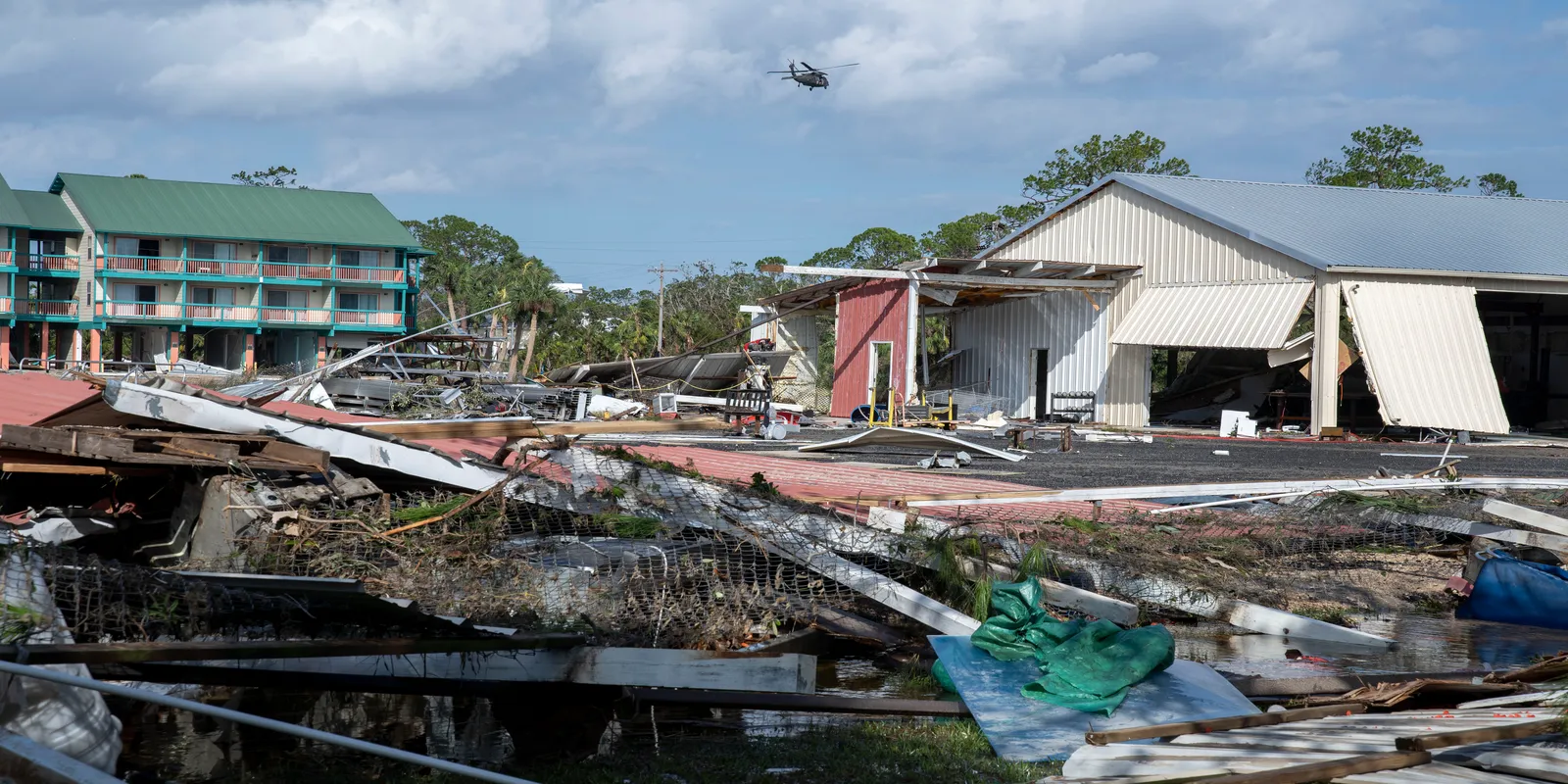
Construction projects and resource extraction can play a role in accelerating climate change through greenhouse gas emissions and harmful air pollutants. With Florida already being a vulnerable state to extreme weather events, it is crucial that new projects and renovations take inspiration from net-positive energy buildings like the Selby Gardens to preserve the environment. Other steps to lowering the carbon footprint of your next project include sourcing local materials and working with LEED-certified vendors. Resources such as Venzer allow you to find materials in your area and minimizes the environmental impacts of cross-country deliveries.
The Florida Department of Environmental Protection not only encourages counties, municipalities, and special districts to build with these considerations but offers grants for projects that mitigate the impacts of rising sea levels and other extreme weather events. Thus, building for the environment is beneficial for reducing construction costs while improving the future of our communities.
Make Your Next Renovation Net-Positive
Whether you’re constructing a new-build or renovating an existing building, there are ways to minimize your carbon footprint from researchers at the Kansas State University Net Positive Studio. Consider open layouts to increase your availability of natural light and air circulation. Choosing the right, tightly-sealed windows and doors can not only brighten your space but ensure proper climate control, saving electricity on heating and cooling.
When considering foundation choices, the Net Positive Studio recommends a shallow, highly insulated concrete foundation as thermal floors can absorb winter sun and release heat overnight.
Take inspiration from the beautiful native plants featured at the Selby Gardens and across Florida! Instead of a monoculture lawn, incorporate landscaping that uses native plants that thrive on rainwater and the Florida climate.
Use Venzer to source these and other construction materials to ensure your next project is built with quality and sustainability in mind.
















Stay in the loop with platform updates, success stories, and industry news.