We’re here if you have any questions
Contact Us
Renovating your home with sustainability in mind not only reduces your environmental footprint but also enhances energy efficiency and indoor air quality. Whether you're upgrading a single room or undertaking a whole-house remodel, making eco-conscious choices can lead to long-term savings and a healthier living environment. In this guide, we'll explore practical tips for eco-friendly home renovations, focusing on sustainable building materials, energy-efficient practices, and how platforms like Venzer can assist in sourcing green materials.
1. Prioritize Sustainable Building Materials
Choosing eco-friendly materials is crucial in reducing the environmental impact of your renovation. Here are some top sustainable options:
Recycled and Reclaimed Materials
Rapidly Renewable Resources
Natural Insulation Materials
2. Enhance Energy Efficiency
Improving your home's energy efficiency reduces utility bills and lowers your carbon footprint.
Upgrade Insulation and Windows
Install Energy-Efficient Systems
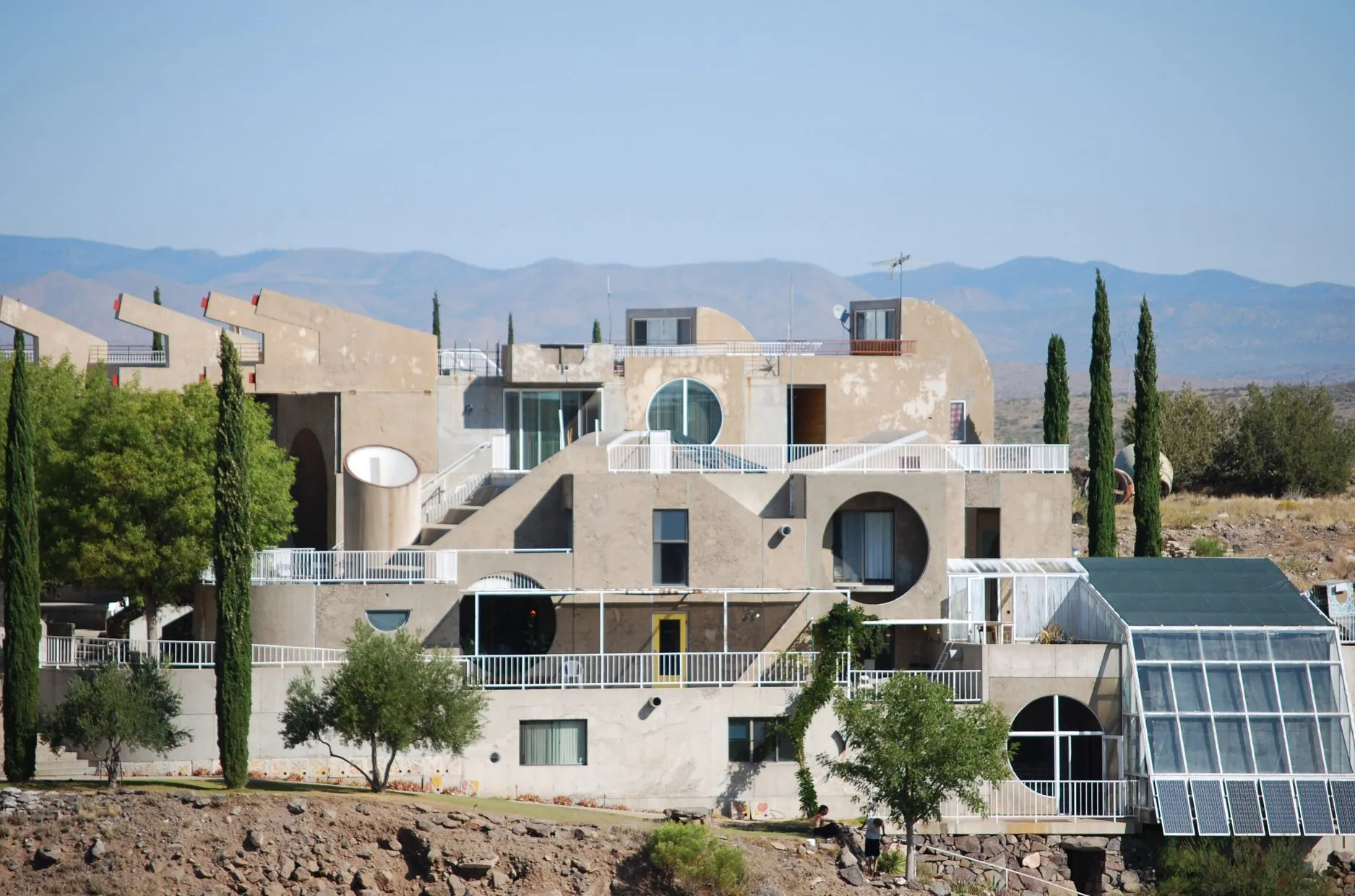
Implement Passive Design Strategies
Passive Solar Design: Orienting your home to take advantage of natural sunlight and shade can significantly improve its energy efficiency and comfort.
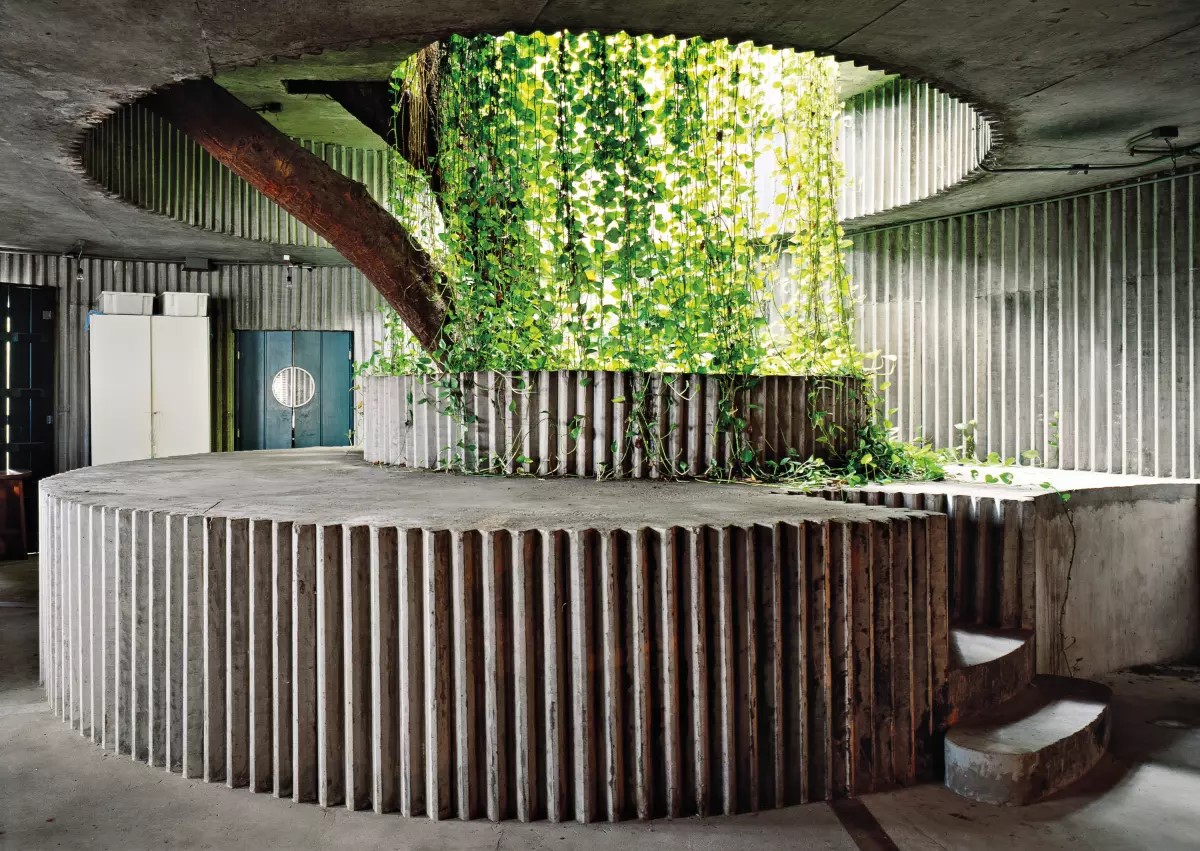
Green Roofing: Installing a green or vegetated roof not only provides insulation but also helps manage stormwater run-off, contributes to air quality, and offers an appealing visual feature .
3. Improve Indoor Air Quality
The materials and finishes you choose can impact the air quality inside your home.
Use Low-VOC Paints and Finishes
Low-VOC Paints: Opting for low-VOC paints has reduced levels of harmful chemicals that evaporate into the air as the paint dries, which reduces indoor air pollution and makes your home healthier.
Choose Natural Flooring Options
Cork and Bamboo Flooring: Naturally resistant to mold and mildew, cork is comfortable underfoot and harvested without harming trees. Bamboo is a fast-growing, renewable resource that’s perfect for flooring, cabinetry, and furniture.
Select Non-Toxic Materials
Natural Stone: Materials like granite, marble, and slate are long-lasting and require minimal processing, making them an eco-friendly choice for countertops and flooring.
4. Implement Water Conservation Measures
Reducing water usage not only conserves a precious resource but also lowers utility bills.
Install Water-Efficient Fixtures
Consider Rainwater Harvesting
Rainwater Harvesting Systems: Installing a rainwater harvesting system can reduce your water bill and is great for watering plants or flushing toilets .
5. Reduce Construction Waste
Minimizing waste during your renovation helps conserve resources and reduces landfill contributions.
6. Utilize Venzer for Sustainable Material Sourcing
Venzer is a construction materials platform that connects builders with top-tier material vendors, facilitating the procurement process for eco-friendly materials. By leveraging Venzer, professionals can access a wide range of sustainable materials, compare prices, and ensure timely delivery, thereby optimizing project timelines and budgets.
Embarking on an eco-friendly home renovation involves thoughtful planning and conscious material choices. By prioritizing sustainable materials, enhancing energy efficiency, improving indoor air quality, conserving water, and reducing construction waste, you can create a home that is both environmentally responsible and comfortable. Platforms like Venzer can assist in sourcing the right materials, ensuring that your renovation project aligns with your sustainability goals.






















Stay in the loop with platform updates, success stories, and industry news.