We’re here if you have any questions
Contact Us
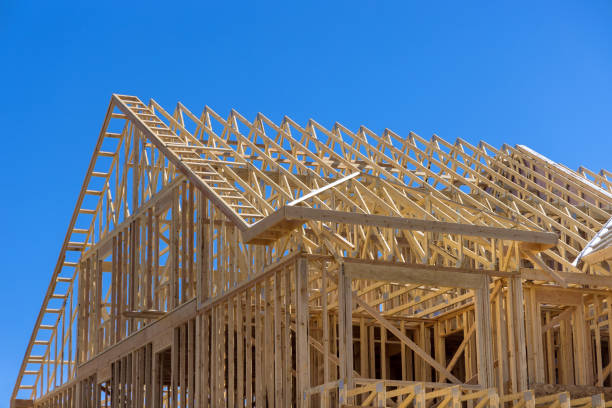
When natural disasters strike, the immediate focus is on saving lives. But once the crisis subsides, the task of rebuilding begins. This phase is where material vendors play an essential role. Their ability to rapidly deliver concrete, lumber, steel, and roofing to disaster-stricken areas determines how quickly communities can recover.
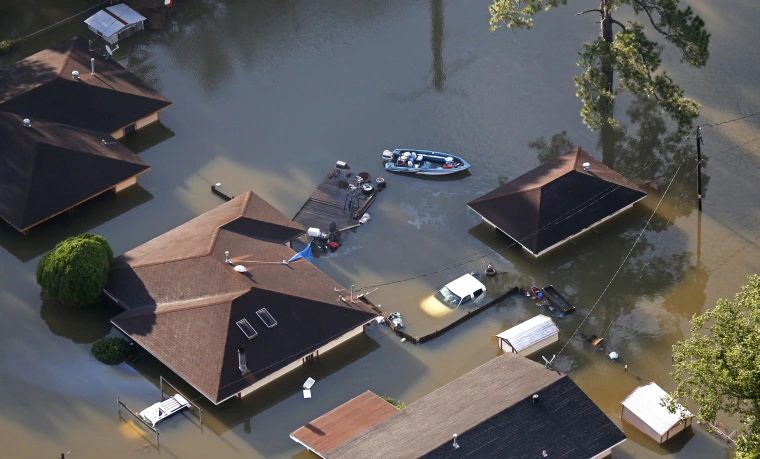
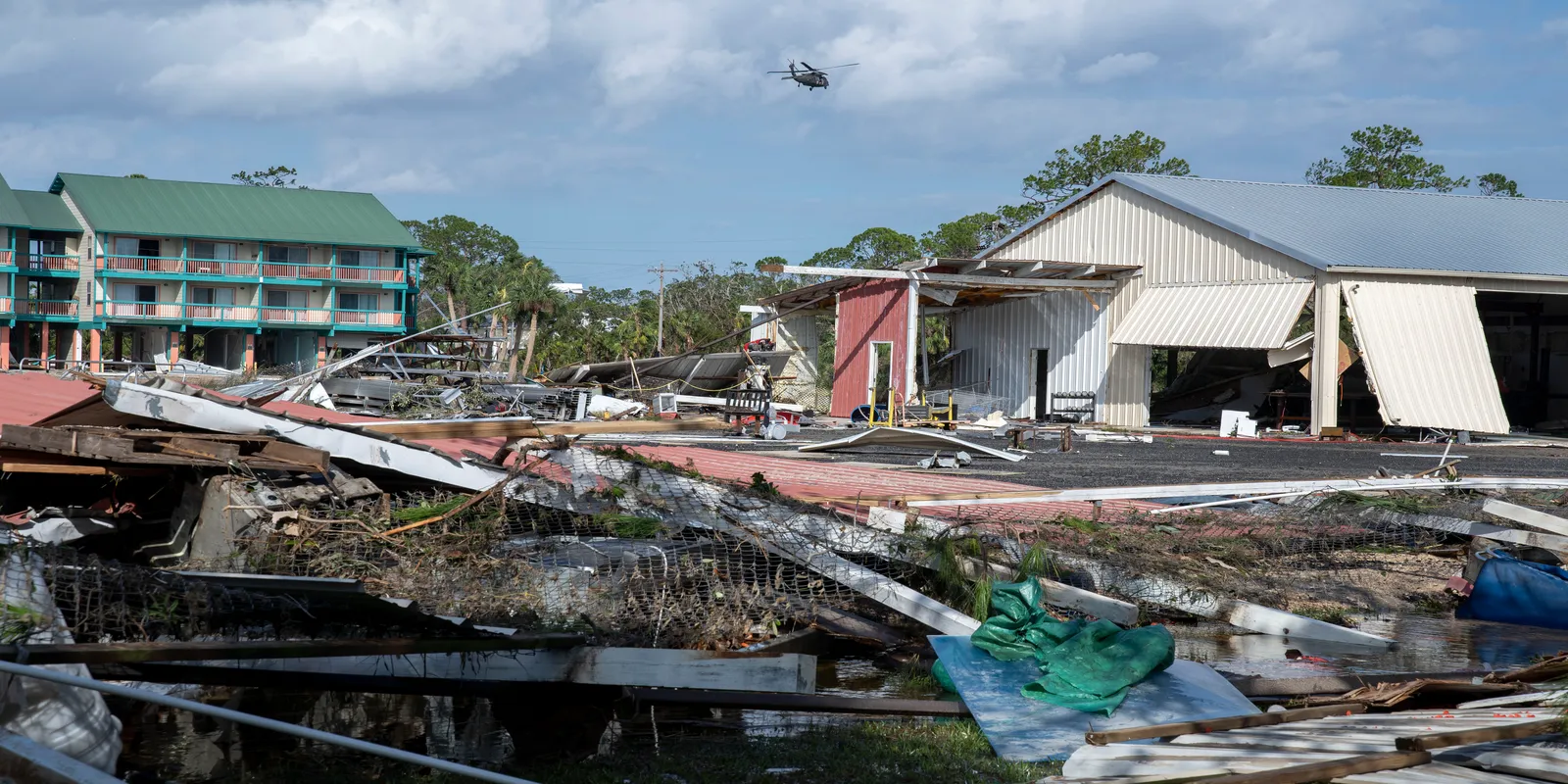
In 2024 and 2025, disasters like Hurricanes Helene and Milton, widespread wildfires, and Midwest flooding have spotlighted how critical it is to have reliable, vetted vendors ready to respond. Organizations like FEMA, the Economic Development Administration (EDA), and local emergency managers depend on fast, compliant sourcing of materials to carry out rebuilding plans under the National Disaster Recovery Framework (NDRF).
This blog post explores how real-world vendors contribute to disaster recovery, what the contracting process looks like, and why platforms like Venzer can support smart vendor sourcing in times of crisis.
The 2024–2025 Disaster Landscape
In just the past year, the United States has faced a series of federally declared disasters:
These events activated large-scale recovery efforts from FEMA and other agencies, requiring massive volumes of building materials to restore homes, roads, utilities, and public facilities.
The Role of Material Vendors in Disaster Recovery
In traditional construction, materials are delivered on a controlled schedule. Disaster recovery flips that script. Vendors must provide:
Without fast and dependable material supply, even the best recovery plans grind to a halt.
How Vendors Get Disaster Recovery Contracts
1. FEMA and Federal Contracting
FEMA frequently awards large, multi-state contracts through IDIQ (Indefinite Delivery/Indefinite Quantity) mechanisms. These are given to vendors that demonstrate reliability, disaster response capacity, and compliance.
Real Example:
In April 2024, the joint venture between Jacobs and CDM Smith (known as CCPRS JV) was awarded the Public Assistance Technical Assistance Contract V (PA-TAC V). This five-year, $570.5 million IDIQ contract covers FEMA Regions 7, 9, and 10, which include Iowa, Missouri, California, Alaska, and others. Their work includes debris monitoring, infrastructure damage assessments, and rapid logistics coordination for rebuilding (CDM Smith).
2. State and Municipal Procurement
When disasters are localized, states and municipalities often manage procurement themselves. They may:
Real Example:
AshBritt, Inc., based in Florida, has handled over 60 disaster responses across 20+ states. They managed major debris removal contracts after Hurricane Katrina and Hurricane Sandy and maintain standing agreements with counties like Lowndes County, GA, where their contract was renewed in 2025 to continue post-storm cleanup (AshBritt, Valdosta Daily Times).
3. Insurance-Driven Recovery
In the private sector, insurance companies often select material vendors for claim-funded repairs. These vendors must meet documentation standards and deliver quickly to prevent further damage or delays.
Supply Chain Insights from Research
According to a 2022 study published in the International Journal of Environmental Research and Public Health, disaster recovery supply chains frequently suffer from:
The study emphasized that pre-established vendor relationships and verified supplier databases improve outcomes dramatically during emergency rebuilds (PMC Article).
Contract Guidelines and Vendor Directories
Federal guidelines from the Federal Library and Information Center Committee (FLICC) stress the importance of using pre-competed contracts and compliance-focused selection processes to reduce delays and legal risk. These guidelines recommend ensuring vendors are capable of meeting rapid deployment expectations while adhering to procurement laws (FLICC Disaster Recovery Guidelines).
Additionally, the Society of American Archivists (SAA) offers a directory of vetted disaster recovery vendors specializing in everything from material restoration to infrastructure support. This kind of verified list helps organizations prepare before a crisis hits (SAA Disaster Vendor Directory).
Smart Sourcing with Venzer
As disaster events increase, the need for fast, verified sourcing tools is more urgent than ever. That’s where Venzer enters the picture.
Venzer provides a trusted platform for:
Whether you’re a contractor responding to an emergency bid or a public official sourcing materials across multiple counties, Venzer helps make faster, safer decisions.
Conclusion
The next big disaster could hit anywhere. When it does, rebuilding won’t just depend on policy or funding—it will depend on which vendors are ready to deliver.
Verified, prepared material vendors like Jacobs/CDM Smith and AshBritt show how vital these companies are in stabilizing communities. And with guidance from FEMA, FLICC, and trusted directories, buyers can make smarter, faster decisions.
Tools like Venzer help bridge the gap between urgency and accountability, ensuring that when disaster strikes, recovery doesn't stall.
Sources
CDM Smith. "CDM Smith Wins FEMA Response and Recovery Contract." https://www.cdmsmith.com/en/news/cdm-smith-wins-fema-response-and-recovery-contract
AshBritt, Inc. "About Us." https://ashbritt.com/about/
Valdosta Daily Times. "Board of Commissioners Approves Updated Debris Removal Contract." https://valdostadailytimes.com/2025/05/29/board-of-commissioners-approves-updated-debris-removal-contract
National Center for Biotechnology Information (NCBI). "Disaster Recovery Supply Chains." https://pmc.ncbi.nlm.nih.gov/articles/PMC9273350/
Federal Library and Information Center Committee (FLICC). "Disaster Recovery Contract Guidelines." https://www.loc.gov/flicc/about/FLICC%20WGs/diaster/FLICC%20Disaster%20Recovery%20Contract%20Guidelines.pdf
Society of American Archivists. "Disaster Recovery Vendors." https://www2.archivists.org/groups/regional-archival-associations-consortium-raac/disaster-recovery-vendors
























Stay in the loop with platform updates, success stories, and industry news.