We’re here if you have any questions
Contact Us
"Green construction" has become a buzzword in today's building industry. From energy-efficient materials to net-zero homes, everyone claims to be going green. But how do you, as a homeowner, developer, or property manager, know if your contractor is genuinely building green or simply greenwashing their services for marketing appeal?
This blog will help you navigate the difference. You'll learn how to verify green credentials, spot red flags, and use tools like Venzer to connect with verified eco-conscious vendors and contractors.
What Is Greenwashing in Construction?
Greenwashing refers to the misleading practice of marketing something as environmentally friendly when it's not. In construction, this might include:
Greenwashing not only undermines environmental goals, but can lead to higher costs, regulatory risks, and long-term inefficiencies in your project.
Why It Matters
Choosing a contractor who truly follows sustainable practices is good for both the planet and your future projects. Benefits include:
But these benefits only come when your builder, material vendor, or architect genuinely follow proper environmental practices.
10 Ways to Tell If Your Contractor Is Truly Green
1. Ask for Third-Party Certifications
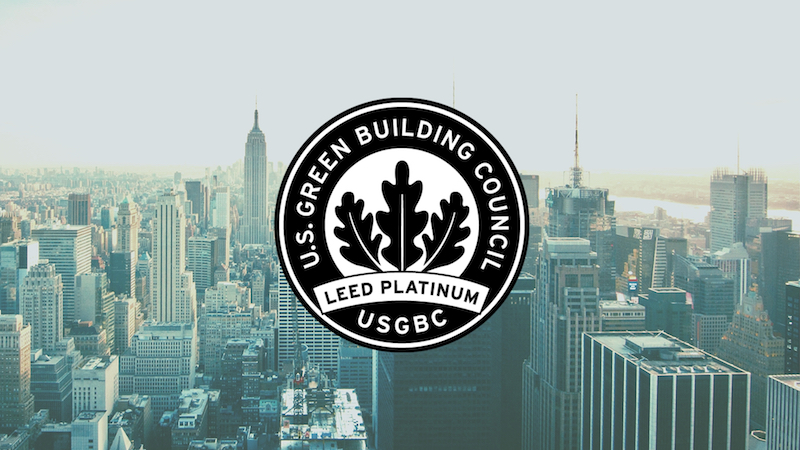
Reputable green builders often carry certifications from programs like:
If a contractor can’t show you credentials, that’s a red flag.
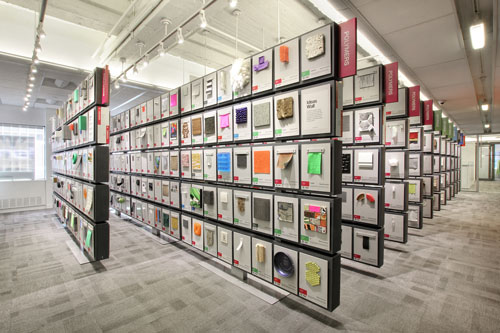
2. Review the Materials List
Don’t accept vague claims like "eco-friendly siding." Instead sk for:
3. Understand Waste Management Practices
A truly green contractor will have a proper waste reduction strategy. Ask:
4. Check Energy Modeling and Building Envelope Plans
Efficient green buildings don’t happen by accident. Verify if your contractor uses:
5. Look for Transparency in Supply Chain
Ask how and where they source their materials:
This is where Venzer can help. Venzer allows you to verify vendor credentials, including financial security, location, certifications, and past project types.
6. Ask About Water Conservation Techniques
A responsible green contractor will recommend and implement:
7. Demand Lifecycle Assessments (LCA)
Ask if your builder has conducted LCAs to compare the environmental impact of different materials. This demonstrates a data-driven commitment to sustainability.
8. Watch Out for Red Flag Buzzwords
Phrases like "green-inspired design" or "nature-friendly layout" can be fluff. Real builders use measurable language like:
9. Ask About Subcontractors
Even if the GC is green, their subcontractors may not be. Ask:
This is another place Venzer stands out—its vendor directory and verification tools help you assess every layer of your supply chain.
10. Get Referrals and View Past Projects
Request examples of prior green builds:
How Venzer Helps You Verify Green Builders
Venzer is a digital platform designed to eliminate guesswork when choosing vendors in the construction industry.
Venzer lets you:
In short, Venzer verifies what many contractors only claim. It’s the perfect tool to keep your project on track, within budget, and aligned with your environmental goals.
Instead of Asking…
"Eco-friendly flooring" - Is it certified low-VOC? What is the wear layer made of?
"Locally sourced" - What’s the exact origin and delivery mileage?
"Energy-efficient" - Compared to what? Are performance metrics available?
"Sustainable wood" - FSC-certified? Any environmental impact reports?
Future-Proofing Your Build
Green building codes are evolving rapidly. Even if your local code doesn’t require high-efficiency standards today, chances are it will soon. Working with a truly green contractor ensures that your home or building will be future-ready for:
Conclusion
Sustainability in construction is a commitment, and as the pressure grows to reduce environmental impact, greenwashing will become even more common. But you don’t have to settle for empty claims.
By verifying certifications, checking material sourcing, and using platforms like Venzer, you can ensure your contractor is truly walking the walk. In doing so, you’ll protect your investment, support ethical industry practices, and contribute to a healthier, more sustainable built environment.














Stay in the loop with platform updates, success stories, and industry news.