We’re here if you have any questions
Contact Us
The global construction industry which is worth over $13 trillion (!) is a powerhouse of economic activity. But with its sheer size, complexity, and fragmented networks of stakeholders, it’s also a massive target for fraud. According to a Harvard Business Review analysis, systemic issues like misaligned incentives, lack of transparency, inconsistent enforcement of regulations, and uneven access to information create the ideal conditions for fraud and corruption to thrive in the industry.
The Association of Certified Fraud Examiners (ACFE) has flagged a sharp rise in construction fraud schemes, where criminals pose as contractors, subcontractors, or suppliers to collect payments for work or goods that are never delivered. The Kroll Global Fraud Report (2015) revealed that 75% of construction, engineering, and infrastructure companies had experienced a fraud incident in the past year alone.
So, how do construction firms protect themselves in this high-risk environment? It starts with awareness. Let’s explore the most common construction fraud schemes and how to protect your business with reliable vendor verification tools like Venzer.
1. Business Email Compromise (BEC) Scams in Construction
Business Email Compromise (BEC) scams involve cybercriminals who impersonate trusted contacts like vendors or company executives via email. The goal is to trick financial staff into wiring funds to fraudulent accounts. These attacks often involve phishing, spoofed domains, or even hacked email inboxes.
Real Case: The Texas BEC Scheme
From November 2016 to July 2018, cybercriminals infiltrated a vendor's email system connected to a Houston-based construction firm. After months of monitoring email threads between the vendor and the construction company, the hackers sent a convincing fake email that appeared to come from the vendor, requesting a change in payment details. This single maneuver helped them attempt to steal over $3 million from government agencies, contractors, and a Houston-area college.
Prevention Tips
2. Jobsite Theft and Material Diversion
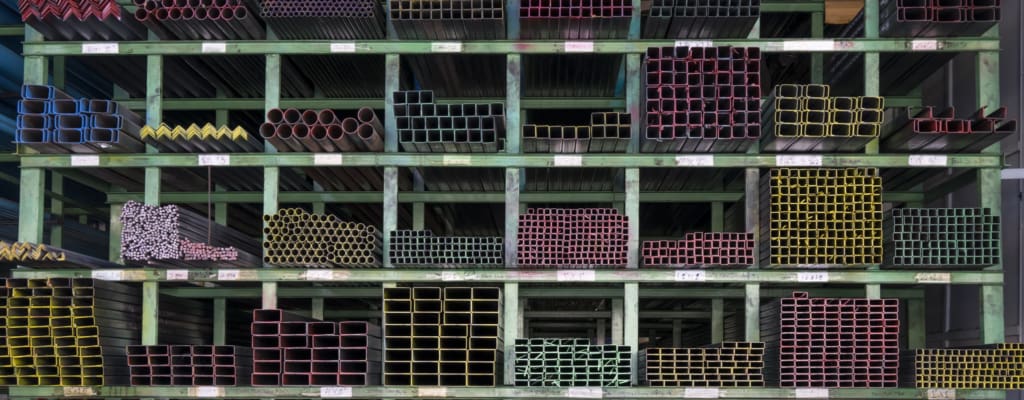
Each year, roughly 13,000 cases of construction theft are reported across the U.S. Thieves target job sites and supply depots for high-value items like copper wiring, lumber, generators, and specialty tools. Some criminals go further by posing as subcontractors and charging supplies to another company's account, using forged IDs or documentation to pick them up.
Common Techniques
Prevention Tips
3. Fake Supplier Scams
This increasingly common scam involves fraudsters setting up fake supplier accounts or impersonating legitimate vendors to bill for materials or services that never arrive. These “suppliers” often offer competitive pricing, forged certifications, and fake reviews to look credible.
Prevention Tips
4. Billing and Invoice Fraud in Construction Projects
Billing fraud schemes exploit gaps in financial oversight and include:
These activities might seem small at first but can snowball into substantial financial loss, especially on large projects with dozens of subcontractors and suppliers.
Prevention Tips
5. Vendor Verification: Using Venzer in Preventing Construction Fraud
One of the most effective ways to prevent fraud is to verify the legitimacy of your vendors before you engage with them. This is where Venzer becomes a game-changer.
Why Is Vendor Verification Important?
Construction firms rely on numerous vendors and equipment rental companies. But without proper vetting, you risk doing business with fraudulent or unreliable companies. The Venzer verification process increases trust by ensuring the vendors you work with are legitimate, qualified, and reputable.
What Venzer Verifies
Venzer’s vendor verification process confirms critical aspects of a vendor’s business, including:
How the Verification Process Works
A vendor joins the Venzer platform and starts receiving customer reviews. Venzer Analysts collect legal documents and registration certificates to verify the company’s status. Business legitimacy is confirmed through Secretary of State records and supplemental legal certificates.
The vendor’s information is re-verified every 3 months via a combination of:
This recurring validation process ensures that the data stays up-to-date and reliable, reducing the risk of fraud for clients who rely on Venzer-verified vendors.
Why You Should Work with Verified Vendors
6. Building a Fraud-Resistant Construction Business
Fraud can derail even the best-managed projects. But prevention is possible when companies commit to a layered defense strategy that includes digital security, physical safeguards, financial oversight, and vendor verification.
Actionable Tips for Your Team
Construction fraud can result in project delays, financial loss, legal trouble, and reputational damage. As criminals grow more sophisticated, the industry must keep pace with proactive fraud prevention methods. The best defense is a mix of education, technology, and trusted verification platforms like Venzer. By prioritizing due diligence, robust security protocols, and verified partnerships, you can stay focused on what really matters: delivering successful projects on time, on budget, and without surprises.
Sources
https://www.pbmares.com/common-scams-targeting-construction-companies/
https://hbr.org/2025/04/how-the-construction-sector-is-using-ai-to-cut-waste-and-fraud
https://www.acfe.com/acfe-insights-blog/blog-detail?s=fraudify-wrapped-2024































Stay in the loop with platform updates, success stories, and industry news.