We’re here if you have any questions
Contact Us
Thank you! Your submission has been received!
Oops! Something went wrong while submitting the form.
For Vendors
For Customers
Explore
Home
/
News & Press
/
Concrete and the Environment: The Hidden Impact of the World’s Most Used Building Material
#BuildingMaterials
#ConstructionTech
#SupportLocal
#VendorTrust
January 15, 2026

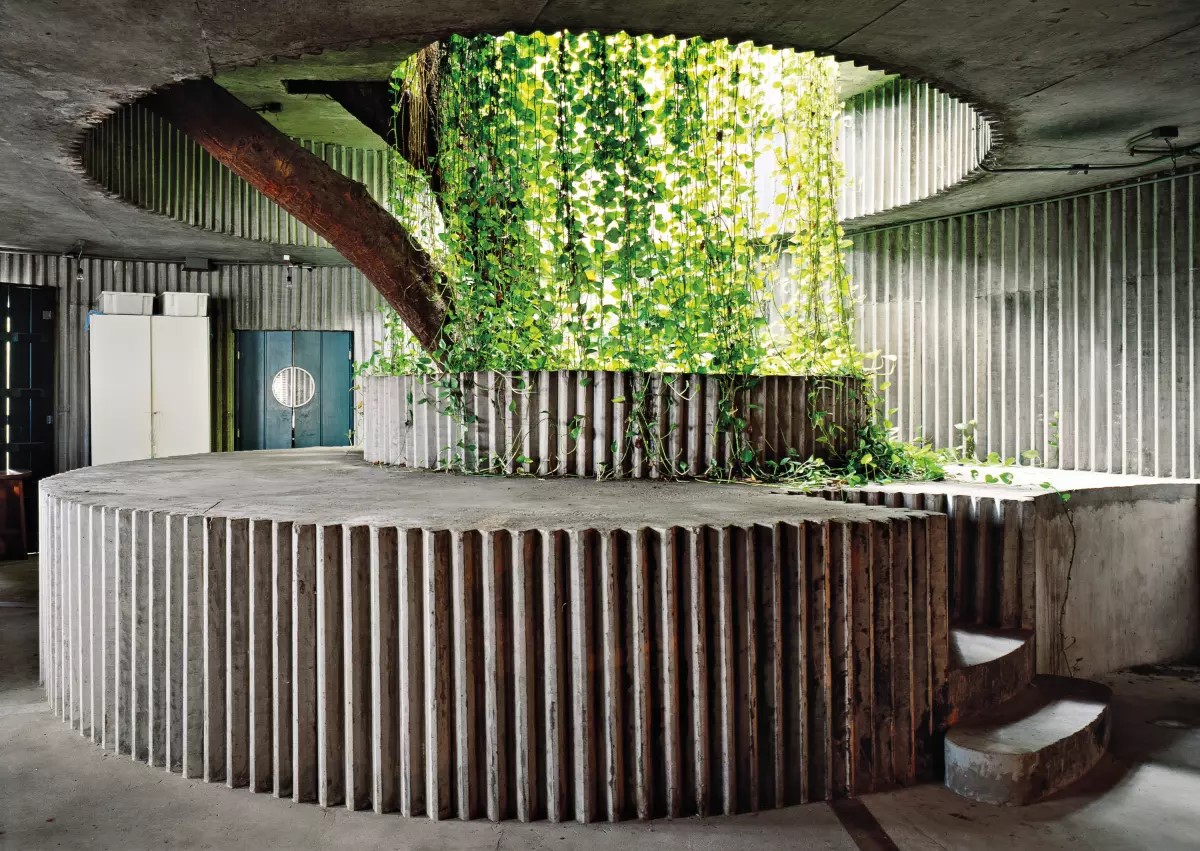
Concrete is everywhere—from sidewalks and highways to homes and skyscrapers. As the most widely used building material on Earth, it’s hard to imagine a modern construction site without it. But behind its strength and versatility lies a significant environmental cost. With cement production accounting for up to 8% of global CO₂ emissions, it's time for architects, builders, and developers to rethink how they use concrete in an eco-friendly construction strategy.

In this guide, we’ll explore the environmental impact of concrete, highlight its pros and cons, and share how you can use concrete more sustainably. Plus, we’ll explain how Venzer, a leading construction materials marketplace, helps you source green building materials for your next project.

What Is Concrete and Why Is It So Popular?

Concrete is a composite material made of cement, water, sand, and gravel or crushed stone. Its popularity stems from its:

    High compressive strength

    Low maintenance requirements

    Versatility in design and function

    Availability of raw materials

But as essential as concrete is in residential, commercial, and infrastructure projects, its environmental cost must be understood and addressed.

The Environmental Impact of Concrete

High Carbon Emissions

One of the biggest environmental issues with concrete lies in cement production, which emits a staggering amount of carbon dioxide. This is due to:

Calcination: Heating limestone releases CO₂.

Energy consumption: Cement kilns are fueled by coal and other fossil fuels.

Depletion of Natural Resources

The production of concrete requires:

    Billions of tons of sand and gravel annually

    Significant amounts of freshwater

    Overextraction leads to:

    Riverbed degradation

    Loss of biodiversity

    Ecosystem disruption

Urban Heat Island Effect

Large concrete surfaces, especially in cities, absorb and retain heat, contributing to higher local temperatures and increased energy demands for cooling.

Environmental Benefits of Concrete (Yes, There Are Some!)

Despite its downsides, concrete also offers some sustainable construction advantages:

Thermal Mass Efficiency

Concrete's ability to absorb, store, and release heat can help regulate indoor temperatures, reducing reliance on HVAC systems.

Durability and Longevity

Concrete structures last for decades. Longer lifespans mean fewer rebuilds and less material waste over time.

Recyclability

Old concrete can be crushed and used as aggregate for new concrete, reducing the need for virgin materials.

How to Use Concrete in an Eco-Friendly Way

To reduce the environmental footprint of concrete, consider these sustainable construction tips:

1. Use Supplementary Cementitious Materials (SCMs)

Replace a portion of Portland cement with:

    Fly ash

    Ground granulated blast-furnace slag

    Silica fume

    SCMs lower CO₂ emissions and improve durability.

2. Choose Recycled Aggregates

Utilize recycled concrete aggregate (RCA) from demolished buildings to:

    Save natural resources

    Cut down on landfill waste

3. Explore Green Concrete Mixes

Innovations in green concrete include:

    Geopolymer concrete (made without Portland cement)

    Eco-cement (absorbs CO₂ as it sets)

4. Incorporate Carbon Capture Solutions

Technologies like CarbonCure inject captured CO₂ into wet concrete, where it mineralizes and strengthens the final product.

5. Use Local Materials and Smart Sourcing

Minimize emissions from transportation by sourcing concrete ingredients locally. Use platforms like Venzer to locate eco-certified material suppliers near your site.

How Venzer Helps You Source Eco-Friendly Concrete Materials

Venzer is a construction materials sourcing platform designed to streamline the process of finding and buying eco-friendly building materials. It empowers contractors, architects, and project managers to:

    Compare vendors by sustainability certifications

    Access vendors with green alternatives to traditional concrete

    Source vendors who sell recycled aggregates, SCMs, and innovative mixes

    Ensure compliance with LEED, BREEAM, and other green standards

Whether you’re working on a net-zero building, a green home renovation, or a commercial LEED-certified project, Venzer helps you make better, faster material decisions.

What Are Some Concrete Alternatives for Green Construction?

If your project allows, consider these sustainable building materials as concrete substitutes:

Hempcrete: Lightweight, insulating, and carbon-negative.

Rammed earth: Uses compacted soil—great thermal properties.

Ferrock: Made from recycled steel dust and silica—stronger than concrete.

Autoclaved aerated concrete (AAC): Lightweight and highly insulating.

Why Sustainable Concrete Matters for Builders and Developers

With increasing regulation and consumer demand for eco-conscious construction, builders must adapt. Choosing greener concrete practices can lead to:

    Lower project carbon footprint

    Higher property value

    Easier permitting for green certifications

    Better brand reputation

Using Venzer to integrate these practices is a smart, scalable way to stay competitive and sustainable.

Final Thoughts

Concrete is undeniably essential—but its environmental cost is just as undeniable. By adopting low-carbon concrete technologies, using sustainable aggregates, and sourcing wisely with platforms like Venzer, builders can reduce the impact without sacrificing performance.

Whether you're a residential builder, commercial developer, or architect planning your next LEED-certified building, there’s never been a better time to make concrete work for the planet.

Sources

"Building the modern world: Concrete and our environment." Science Museum. Retrieved from https://www.sciencemuseum.org.uk/objects-and-stories/everyday-wonders/building-modern-world-concrete-and-our-environment

sciencemuseum.org.uk

"CarbonCure Technologies." Science Museum. Retrieved from https://www.sciencemuseum.org.uk/objects-and-stories/everyday-wonders/building-modern-world-concrete-and-our-environment

sciencemuseum.org.uk

"Concrete and Environmental Sustainability." Concrete Victoria. Retrieved from https://www.concretevictoria.net/concrete-and-environmental-sustainability

concretevictoria.net

"Eco-Friendly Alternatives To Traditional Concrete." Specify Concrete. Retrieved from https://www.specifyconcrete.org/blog/eco-friendly-alternatives-to-traditional-concrete/

specifyconcrete.org

"Top 7 sustainable alternatives to concrete." Housing.com. Retrieved from https://housing.com/news/concrete-eco-friendly-alternatives/

housing.com

"Australian researchers turn morning coffee waste into greener concrete." Reuters. Retrieved from https://www.reuters.com/business/environment/australian-researchers-turn-morning-coffee-waste-into-greener-concrete-2024-05-22/

reuters.com

"This concrete can eat carbon emissions." Wired. Retrieved from https://www.wired.com/story/concrete-carbon-capture-co2

wired.com

"Concrete Is One of the World's Worst Pollutants. Making It Green Is a Booming Business." The Wall Street Journal. Retrieved from https://www.wsj.com/business/entrepreneurship/concrete-is-one-of-the-worlds-worst-pollutants-making-it-green-is-a-booming-business-e87a5498

wsj.com

"Follow the Algae Brick Road to Plant-Based Buildings." Time. Retrieved from https://time.com/6192603/algae-plant-buildings-carbon/

time.com
Explore more
#BuildingMaterials
#ConstructionTech
#SupportLocal
Top Ten Tips to Save Money on Your Dream Home Renovation
Building Materials
January 15, 2026
#BuildingMaterials
#ConstructionTech
#SupportLocal
How Transparent Transactions Help Construction Material Vendors and Customers
Building Materials
January 15, 2026
#BuildingMaterials
#ConstructionTech
#SupportLocal
Mastering Marble – A Family Tradition for More than a Century (Featured Vendor: TecnoMarmol)
Building Materials
January 15, 2026
No items found.
Venzer – Finding Local Construction Material Vendors
Building Materials
January 15, 2026
#BuildingMaterials
#ConstructionTech
#SupportLocal
We help Vendors Save on Marketing Services
Building Materials
January 15, 2026
#BuildingMaterials
#ConstructionTech
#SupportLocal
#SustainableConstruction
#VendorTrust
Therapy for the Invisible Materials Vendor - by Dr. Venzer
Building Materials
January 15, 2026
#BuildingMaterials
#ConstructionTech
#SupportLocal
#SustainableConstruction
10 North American Architecture Projects Using Sustainable Materials to Combat Climate Change
Building Materials
January 15, 2026
#SupportLocal
#BuildingMaterials
#SustainableConstruction
The Ultimate Guide on How to Storm-Proof Your Home for Hurricane Season
Building Materials
January 15, 2026
#BuildingMaterials
#ConstructionTech
#SupportLocal
#VendorTrust
#SustainableConstruction
Top 5 Celebrity Homes: A Material-Driven Design Tour
Building Materials
January 15, 2026
#BuildingMaterials
#SupportLocal
#VendorTrust
#SustainableConstruction
#ConstructionTech
Effective Acoustic Design: Strategies for Controlling Sound in Architectural Spaces
Building Materials
January 15, 2026
#BuildingMaterials
#ConstructionTech
#SupportLocal
#VendorTrust
Eco-Friendly Home Renovation Tips: Sustainable Materials & Practices
Building Materials
January 15, 2026
#BuildingMaterials
#ConstructionTech
#SupportLocal
#VendorTrust
Learning From The World’s First “Net-Positive Energy” Botanical Garden in Florida
Building Materials
January 15, 2026
#BuildingMaterials
#ConstructionTech
#VendorTrust
#SupportLocal
Indiana Pacers vs. Oklahoma City Thunder – An Architectural Arena Showdown
Building Materials
January 15, 2026
#BuildingMaterials
#ConstructionTech
#SupportLocal
#VendorTrust
Concrete and the Environment: The Hidden Impact of the World’s Most Used Building Material
Building Materials
January 15, 2026
#BuildingMaterials
#ConstructionTech
#VendorTrust
#SupportLocal
How to Avoid Construction Fraud: Scams to Watch Out for and Smart Prevention Strategies
Building Materials
January 15, 2026
#BuildingMaterials
#ConstructionTech
#SupportLocal
#VendorTrust
Design Trends for 2025: Lessons from Love Island USA
Building Materials
January 15, 2026
#BuildingMaterials
#ConstructionTech
#SupportLocal
Venzer: The AI-Powered Marketplace Revolutionizing Construction
Building Materials
January 15, 2026
#BuildingMaterials
#ConstructionTech
#SupportLocal
Material Sourcing and Vendor Reliability Are Broken in Construction. Here’s How Venzer Fixes It
Building Materials
January 15, 2026
#BuildingMaterials
#ConstructionTech
#VendorTrust
#SupportLocal
How to Align Your Material Choices with Modern Design Trends
Building Materials
January 15, 2026
#BuildingMaterials
#ConstructionTech
#SustainableConstruction
Rebuilding After Hurricane Harvey: Smarter Material Procurement Strategies
Building Materials
January 15, 2026
#BuildingMaterials
#ConstructionTech
#VendorTrust
How the Right Building Materials Can Mitigate Hurricane Damage in Florida
Building Materials
January 15, 2026
#ConstructionTech
#BuildingMaterials
#SupportLocal
Why Material Vendors Need to Be Venzer Verified
Building Materials
January 15, 2026
#BuildingMaterials
#ConstructionTech
#SupportLocal
Telling Stories Through Materials in American Architecture
Building Materials
January 15, 2026
#BuildingMaterials
#ConstructionTech
#SupportLocal
#VendorTrust
Framing Modern Life: How Materials Shaped the Eames House
Building Materials
January 15, 2026
No items found.
Why Material Vendors Should Adopt LEED and WELL Certifications
Building Materials
January 15, 2026
#BuildingMaterials
#ConstructionTech
#SupportLocal
How to Market Your Business as a Building Material Vendor
Building Materials
January 15, 2026
#BuildingMaterials
#ConstructionTech
#SupportLocal
Local vs. Imported Materials in Construction: What You Need to Know Before You Build
Building Materials
January 15, 2026
#BuildingMaterials
#ConstructionTech
#SupportLocal
Design in Paradise: Materials, Innovation & Legacy in the Miami Beach Architectural District
Building Materials
January 15, 2026
#ConstructionTech
#VendorTrust
#BuildingMaterials
Material Vendors on the Front Lines: How Construction Supply Powers Disaster Recovery
Building Materials
January 15, 2026
#ConstructionTech
#BuildingMaterials
#SupportLocal
Q&A - What Every Vendor Should Know Before Joining Venzer
January 13, 2026
#BuildingMaterials
#SustainableConstruction
#ConstructionTech
Timber Tested: Real-World Lessons from Innovative Wood Construction Projects
Building Materials
January 13, 2026
#BuildingMaterials
#SustainableConstruction
#VendorTrust
How to Ensure Your Contractor Is Truly Building Green (And Not Greenwashing!)
Building Materials
January 13, 2026
#VendorTrust
#SustainableConstruction
#SupportLocal
Going Digital as a Small Vendor with Venzer
Vendor Trust
January 13, 2026
#BuildingMaterials
#ConstructionTech
Building for Everyone: How Accessible Architecture and Smart Material Choices Create Inclusive Spaces
Building Materials
January 13, 2026
#BuildingMaterials
#VendorTrust
#SupportLocal
How to Avoid Construction Fraud: Scams to Watch Out for and Smart Prevention Strategies
Building Materials
November 25, 2025

Subscribe to the Newsletter

Stay in the loop with platform updates, success stories, and industry news.

Thank you! Your submission has been received!
Oops! Something went wrong while submitting the form.